
Your cart is empty

Trackers & Communicators
Looking to keep tabs on your valuable assets or stay connected on an adventure? Look no further than satellite trackers, the ultimate solution for reliable communication and tracking. Whether you need to monitor fleet vehicles, equipment, or personal safety during remote adventures, satellite trackers provide dependable coverage via networks like Globalstar, Iridium, and Thuraya. From asset satellite trackers designed to safeguard your investments to personal satellite trackers offering peace of mind in the wilderness, these devices ensure you're always connected, no matter where your journey takes you.


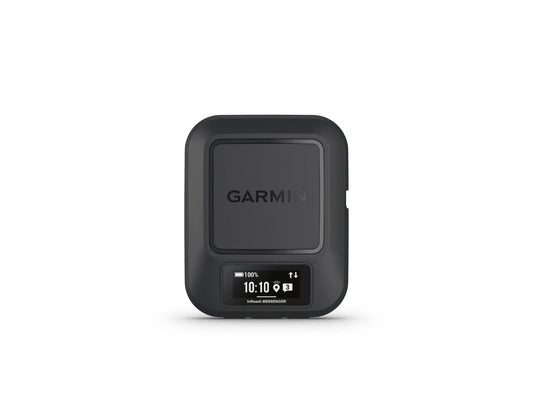


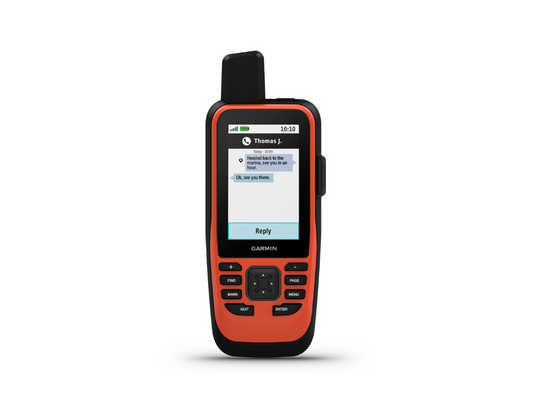


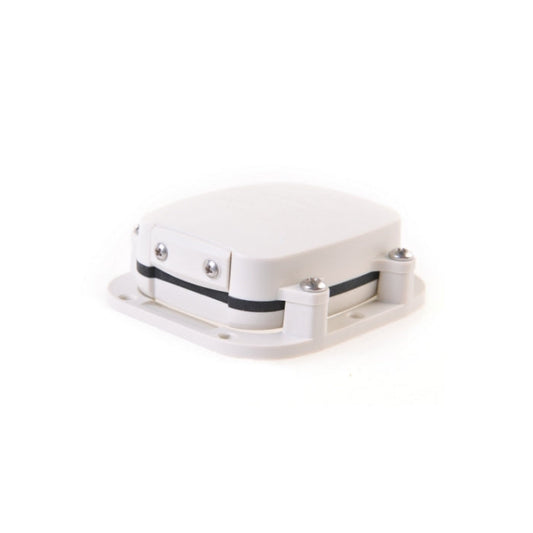


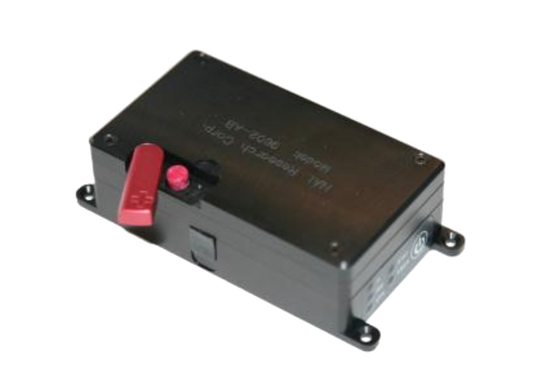

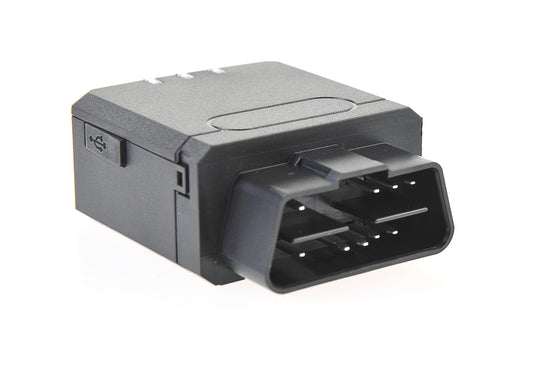

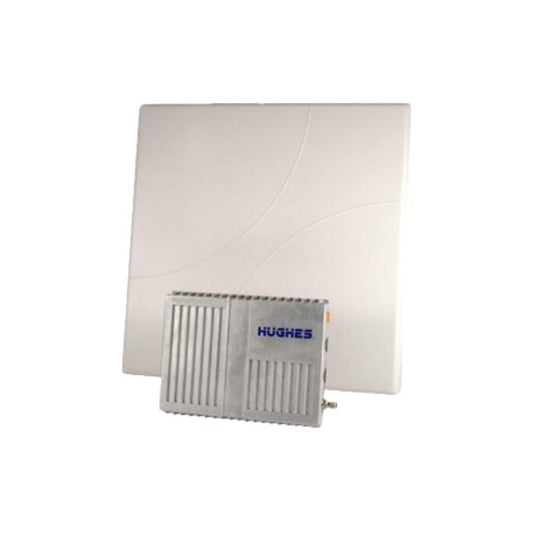
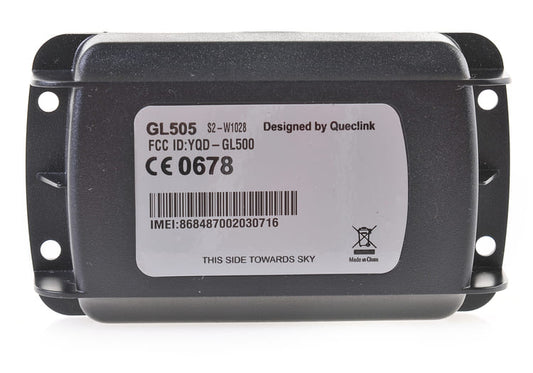


Global Asset Tracking & Personal GPS Messengers
Frequently Asked Questions
A satellite tracker uses GPS to determine its location and transmits that data via satellite networks such as Iridium or Globalstar. This allows you to monitor a person, vehicle, or asset in real time, even in remote areas with no mobile signal.
Personal trackers are designed for people, typically offering SOS alerts, two-way messaging, and live tracking for safety and communication. Asset trackers are built for monitoring equipment, vehicles, or containers, often with features like geofencing, tamper alerts, and long battery or solar power options.
Yes, most satellite trackers offer global or near-global coverage depending on the network they use. Devices connected to the Iridium network provide true global coverage, while others like Globalstar offer strong coverage in most regions.
Yes. Satellite trackers require an active airtime subscription to transmit location data, send messages, or trigger SOS alerts. Plans vary depending on usage, tracking frequency, and network.
Some trackers, such as Garmin inReach and SPOT X devices, support two-way messaging, allowing you to send and receive messages from anywhere. Others are tracking-only and designed purely for asset monitoring.
On supported devices, pressing the SOS button sends an emergency alert via satellite to a global rescue coordination centre. Your GPS location is transmitted, allowing responders to locate and assist you as quickly as possible.
Tracking intervals vary by device and configuration. Some trackers can report location as frequently as every few minutes, while others are designed for longer intervals to conserve battery, ranging up to hours or days.
Battery life depends on the device type and tracking frequency. Personal trackers typically last several days, while asset trackers can last months or even years, especially if they are solar-powered or set to low reporting intervals.
Satellite trackers are more reliable in remote or off-grid environments because they don’t rely on mobile networks. GSM trackers can be more cost-effective but only work where there is cellular coverage.
Yes. Most trackers allow you to view location data via mobile apps or web platforms, giving you real-time visibility from anywhere with an internet connection.