
Your cart is empty

Satellite Phones
At Orbital SatCom we offer a variety of handheld satellite phones from Iridium, Inmarsat and Thuraya. Many of our satellite phones offer complete global coverage for your voice and data requirements and some offer GPS tracking capabilities. We understand it is important to choose a sat phone that has the right coverage, airtime options and accessories available for your specific needs.
Satellite Phones from Orbital SatCom
Satellite phones are purpose-built communication devices that connect directly to satellites, bypassing traditional mobile networks entirely. This allows users to place calls, send text messages, and initiate SOS alerts from areas where cellular coverage is limited or completely unavailable, including offshore locations, remote land operations, disaster-affected regions, and international environments with little infrastructure.
Rather than relying on ground-based towers, satellite phones operate through established satellite networks such as Iridium and Inmarsat. These constellations provide wide-area coverage, enabling communication across regions where terrestrial networks cannot reach or may fail. For organisations and individuals operating beyond the limits of standard connectivity, satellite phones provide a dependable way to maintain contact, support safety protocols, and ensure operational continuity.
Satellite phones are available in a range of configurations to suit different use cases. Some models focus on straightforward voice and SMS functionality, offering reliable, no-frills communication for backup or occasional use. Others incorporate additional capabilities such as GPS tracking and SOS alerting, supporting more advanced requirements like lone worker monitoring or coordinated field operations. Device design also varies, with certain models engineered for extended battery performance and resilience in harsh environments.
Selecting the right satellite phone depends largely on how and where it will be used. Some users require consistent global coverage for international travel or expedition work, while others prioritise performance in specific regions for offshore or remote site operations. By understanding these differences, users can choose a device that aligns with their communication needs and ensures they remain connected when conventional networks are not an option.


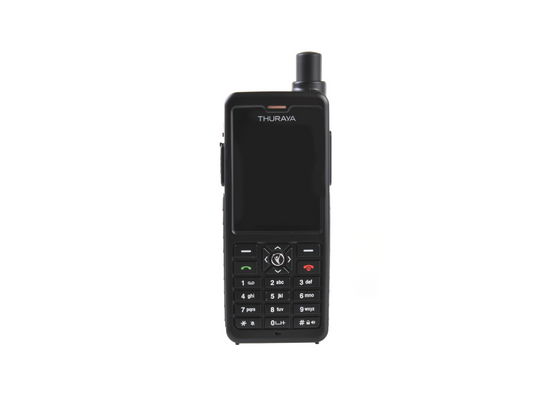


Buy the Best Satellite Phones for Remote Travel & Emergencies
Frequently Asked Questions
Satellite phones operate independently of cell towers, making them essential in areas without mobile coverage, remote wilderness, offshore waters, deserts, disaster zones, and more. Reliability depends on the satellite network: Iridium offers true global coverage, including polar regions; Inmarsat covers most of the globe except the far north and south; and Globalstar provides dependable regional coverage across much of North America.
Key considerations include your location, frequency of use, and required features. For global travel or high-latitude expeditions, Iridium is often preferred. For lower-cost regional coverage, Globalstar may suffice. Battery life, portability, and ease of use also matter, OSAT’s team can help guide the decision based on your exact needs.
Not at all. Satellite phones are designed to be straightforward, with familiar menu navigation and dialing. Many also include emergency features like GPS tracking or SOS messaging. OSAT provides setup support and user guides to ensure you’re fully prepared before heading out.
Yes, satellite phones require a dedicated airtime plan. These range from flexible prepaid options for occasional use to monthly contracts for consistent fieldwork. OSAT offers service across all major networks and can activate your plan before your device even ships.
Most satellite phones provide several days of standby time and 4–8 hours of talk time per charge. For extended trips, OSAT recommends carrying a spare battery or compatible solar charger, available as part of our accessories range.