
Your cart is empty

Personal Locator Beacons & Flares
Ensuring safety at sea is paramount for all mariners. Personal Locator Beacons (PLBs) and electronic flares are vital tools that enhance emergency preparedness by facilitating swift rescue operations.

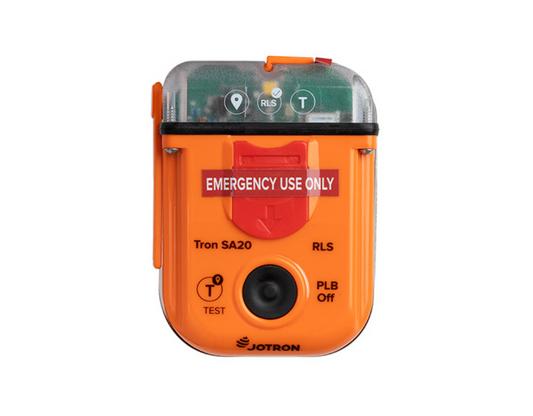


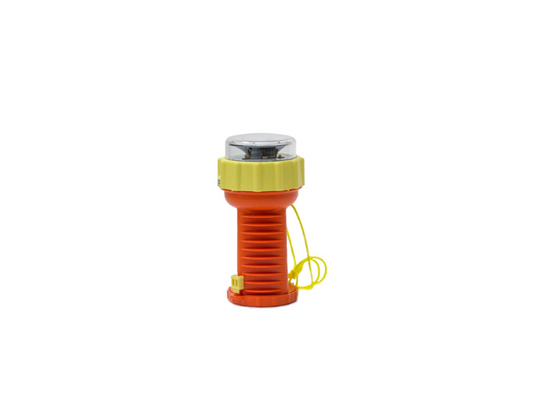


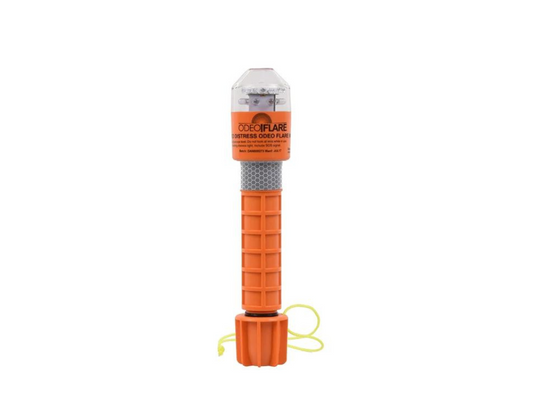
Ocean Safety Devices from OSAT
Frequently Asked Questions
Locator beacons like PLBs (Personal Locator Beacons) or EPIRBs are designed for emergencies only, they send a distress signal directly to global rescue coordination centers. Satellite trackers offer broader functionality, including messaging and tracking. Both are valuable, but serve distinct roles.
Yes. Beacons that use the Cospas-Sarsat system, like most PLBs, are monitored 24/7 around the world. Whether you're at sea, in the mountains, or in the Arctic, your SOS signal will be received and routed to local search and rescue services.
No. Unlike trackers or sat phones, most beacons don’t require a subscription. After purchase, they only need to be registered with NOAA (or your local authority), and they’re ready for use in an emergency.
Most locator beacons have a shelf life of 5–7 years, and once activated, they transmit for a minimum of 24 hours. After use, or when the expiry date nears, the unit must be professionally serviced or replaced.
Yes, registration is required and critical. It ensures that rescue services have your emergency contacts, trip details, and device info, which significantly speeds up response in an actual emergency.